The short answer
Most solar panel systems switch off in a power cut, even on a sunny day. To keep power flowing when the grid goes down, you need a battery with a backup function, wired to supply your home’s essential circuits.
It surprises a lot of homeowners, so here’s why it happens, and how to make sure your home stays powered.
Why solar panels switch off when the grid goes down
A standard solar system is connected to the national grid through an inverter. By law, that inverter has to shut down automatically when it detects a power cut.
This is a safety feature called anti-islanding. When the power is off, engineers may be working on the local network. If your panels kept pushing electricity into the grid, they could put those engineers at risk. So your inverter disconnects within moments, and your panels stop supplying your home until the grid is back.
When the power returns, the system reconnects and starts generating again automatically. You don’t need to do anything.
How to keep your power on in a power cut
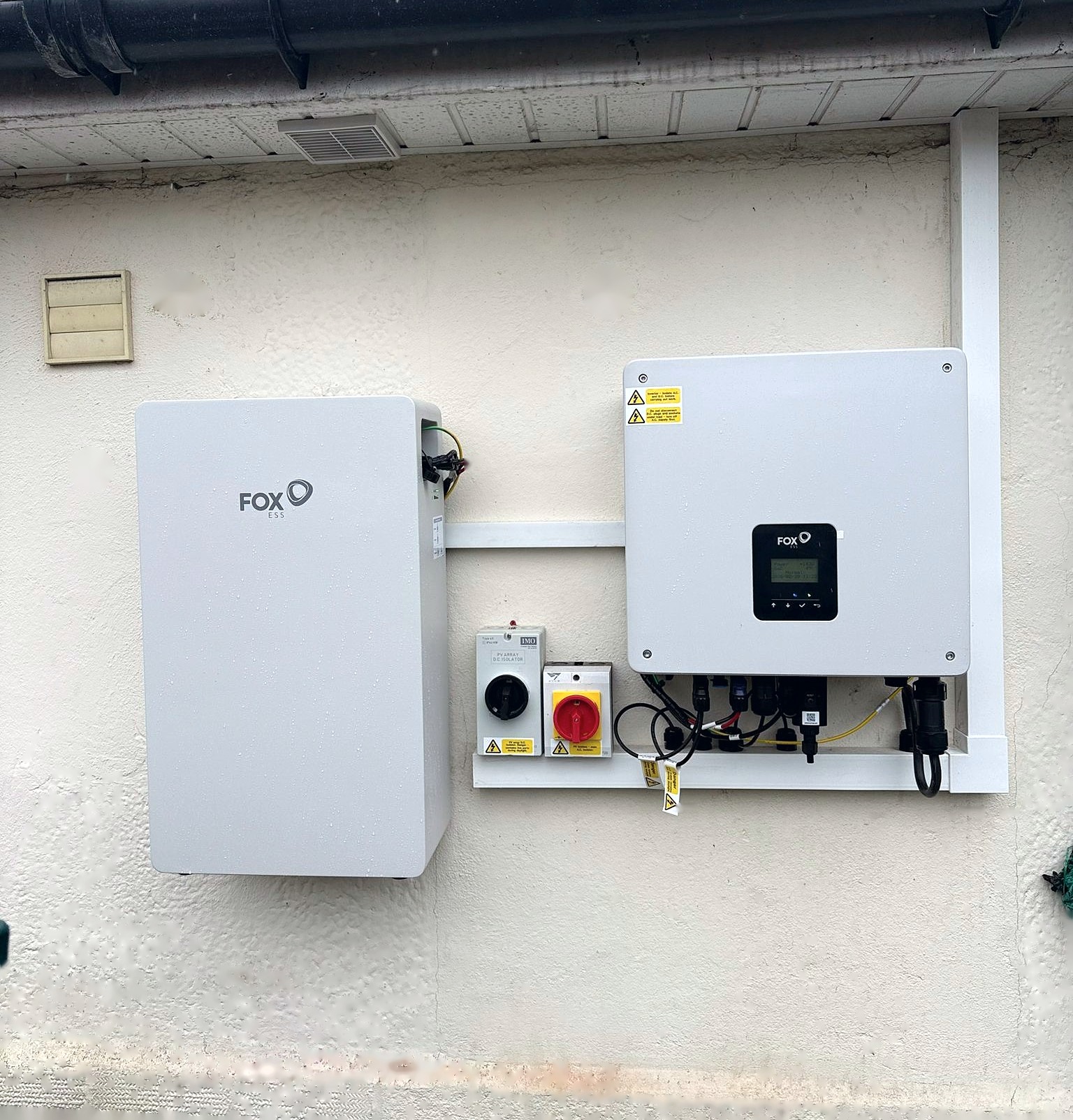
The answer is a solar battery with backup power, sometimes called EPS (emergency power supply). When the grid fails, the system disconnects safely from the grid but carries on powering selected circuits in your home from the battery, and from your panels during daylight.
Not every battery does this automatically. It depends on the battery, the inverter and how the system is wired, which is why it’s worth asking about at your survey.
The batteries we fit can all be set up for backup:
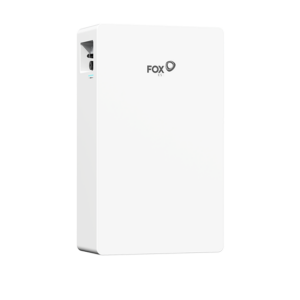
- Fox ESS: hybrid inverters and batteries with an EPS output, our most popular choice
- Sigenergy: backup through its energy gateway
- Tesla Powerwall: whole-home or partial backup through the Tesla Gateway
What can a backup battery run?
Most backup systems power a set of essential circuits rather than the whole house. We’ll agree these with you at survey, but they usually include:
- lights
- the fridge and freezer
- Wi-Fi and phone chargers
- your boiler’s controls, so your heating can still run
High-power appliances, such as electric showers, ovens and EV chargers, are usually left off the backup circuit so the battery lasts longer.
How long it lasts depends on the battery size and what’s switched on. A typical home battery of 5–10kWh can keep essentials running for many hours, and during the day your panels can top it up. Read our guide: What size solar battery do I need?
Already have solar panels?
You can usually add a battery with backup to an existing system without replacing your panels. See: Can I add a battery to my existing solar panels?
Frequently asked questions
Why do my solar panels stop working in a power cut on a sunny day?
For safety. Grid-connected inverters must switch off when the grid fails, so they don’t send electricity into lines that engineers may be working on.
Will a battery switch over automatically?
With a backup function set up, yes. The switchover usually takes a moment, so some devices may restart.
Can I run my whole house from a battery in a power cut?
Some systems can, but most homes back up essential circuits only. It keeps costs down and makes the battery last much longer.
Do I need a generator as well?
For most homes, no. A battery with backup covers typical UK power cuts, which are usually short.
Keep your home running when the grid goes down
Eco Systems Group is an MCS-certified solar and battery installer based in Harold Wood, Essex, fitting systems across London, the South East and the East of England since 2012. We’ll design your system so the circuits that matter to you stay on.
Call 020 3411 4885 or request a free quote.