The short answer
Cavity wall insulation doesn’t cause damp when it’s installed in a suitable wall, by a qualified installer, using the right material. Millions of UK homes have it with no problems at all.
Damp can happen, though, when insulation goes into a wall that wasn’t suitable in the first place, when the wall’s outer brickwork lets rain in, or when the job is done badly. In those cases, the insulation can carry moisture across the cavity to the inner wall.
At Eco Systems Group we have installed cavity wall insulation since 2012, and we also remove failed insulation. So we see both sides: the homes where it works well, and the ones where it went wrong. This guide explains the difference, the warning signs, and what to do if you have a problem.
Why cavity wall insulation sometimes causes damp
1. Exposure to wind-driven rain
Homes in exposed spots, such as on the coast, on hills or facing open land, get battered by rain driven sideways by the wind. In some of these walls, rain can soak through the outer brick and track across the insulation to the inside. A proper survey checks how exposed your home is before any insulation goes in.
2. Brickwork in poor condition
Cracked, porous or crumbling bricks, and worn-out mortar joints, let water into the cavity. Insulation in a wall like this can stay wet. Any repairs should be done before insulating.
3. Rubble and debris in the cavity
Many older cavities contain dropped mortar and building debris. These can form a “bridge” that carries moisture from the outer wall to the inner wall, causing damp patches.
4. Poor installation
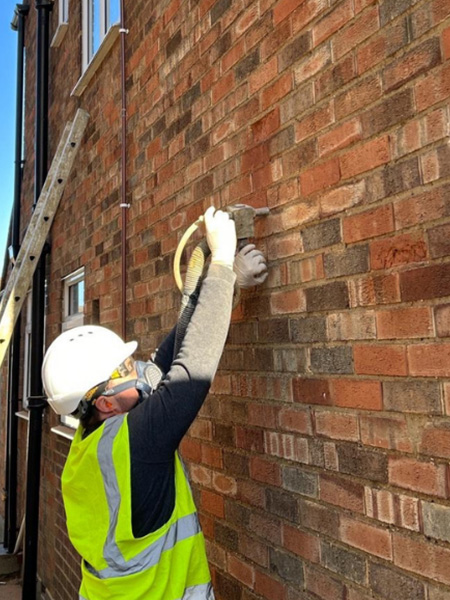
If the insulation isn’t injected evenly, it can leave gaps and voids. These create cold spots on the inside walls, where condensation and mould can form. Holes that aren’t sealed properly afterwards can also let water in.
5. The wrong material for the wall
Different walls suit different materials. Today, EPS bead insulation is often preferred because the beads don’t soak up and hold water the way some older fibre materials can.
Warning signs to look out for
- Damp or cold patches on inside walls, often in random spots rather than near the floor
- Blistering paint, peeling wallpaper or crumbling plaster on outside walls
- Black mould appearing on walls that never had it before
- A musty smell in rooms with outside walls
- Damp that started or got worse after insulation was installed
Damp has many causes, including leaking gutters, condensation and rising damp, so these signs don’t always mean the insulation is to blame. A specialist inspection, often with a borescope camera inside the cavity, will show what’s really going on.
What to do if you have a problem
- Check your guarantee. Most cavity wall insulation comes with a 25-year CIGA guarantee. Contact your original installer first. If they won’t help or are no longer trading, contact CIGA.
- Fix the outside of the wall. Repoint worn mortar, repair cracked bricks and sort out leaking gutters or downpipes.
- Get the cavity inspected. A borescope survey shows whether the insulation is wet, patchy or bridged by debris.
- Remove the insulation if needed. If the insulation is the cause, it can be extracted and the cavity cleaned. The wall can then be left to dry, or reinsulated with a more suitable material if the survey says it’s safe to do so.
We carry out cavity wall insulation extraction across London, the South East and the East of England, using specialist extraction equipment.
How we make sure it doesn’t happen
- A proper survey first. We check your wall’s condition, exposure to wind-driven rain and the state of the cavity, often with a borescope, before recommending anything.
- The right material. We install both EPS bead and blown fibre insulation, and choose what suits your wall.
- Repairs before insulation. If brickwork or mortar needs attention, we’ll tell you before we start.
- Careful installation. Even drilling and filling, and every hole properly sealed afterwards.
- A 25-year CIGA guarantee on every cavity wall installation.
If your wall isn’t suitable, we’ll say so, even if it means we don’t do the job.
Frequently asked questions
Does cavity wall insulation cause damp? Not when it’s installed properly in a suitable wall. Problems usually come from exposed or damaged walls, debris in the cavity, or poor installation.
Can cavity wall insulation be removed? Yes. Specialist extraction equipment removes the insulation from the cavity, which can then be cleaned and, if suitable, reinsulated.
How do I know if my cavity wall insulation is causing damp? Look for damp patches or mould on outside walls that appeared after insulation was installed. A borescope inspection will confirm whether the insulation is wet or patchy.
Is EPS bead insulation better for damp? EPS beads don’t absorb water in the way some older fibre materials can, which is why they are often chosen for walls with more exposure. The survey will confirm what suits your home.
Is my guarantee still valid? Most cavity wall insulation carries a 25-year CIGA guarantee. You can check with CIGA using your address.
Worried about damp or thinking about cavity wall insulation?
Call Eco Systems Group on 0203 411 4885, email info@ecosystemsgroup.co.uk, or request a free, no-obligation survey online. We cover London, the South East and the East of England.