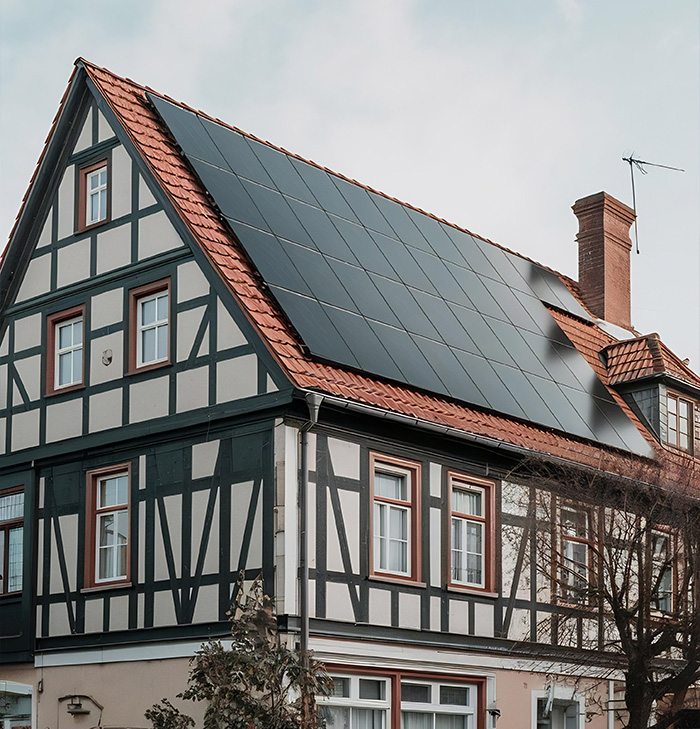
Solar panels and batteries installed in homes in Great Britain are currently VAT-free. That 0% rate is due to end on 31 March 2027, and from 1 April 2027 a 5% rate is expected to apply. If you’re thinking about solar or a battery, installing before the deadline could save you hundreds of pounds.
What is changing?
Since April 2022, energy-saving materials installed in homes, including solar panels, have been zero-rated for VAT. From 1 February 2024 the relief was extended to home batteries, including batteries added to an existing solar system.
The zero rate is currently set to run until 31 March 2027. After that, these installations are expected to move to the reduced VAT rate of 5%, not the standard 20%. The government could extend the relief, but there is no guarantee, so it’s safest to plan around the current end date.
What does the 0% VAT cover?
The relief applies when energy-saving materials are supplied and installed together in a home. For a solar installation, that typically includes:
- the solar panels and mounting system
- the inverter
- a home battery, whether fitted with new panels or added to existing ones
- the labour, scaffolding and associated electrical work
Buying equipment on its own without installation does not qualify, and standard VAT applies.
How much difference does it make?
At 5%, VAT adds £5 for every £100 of the installation price:
| System | Price at 0% VAT | Price at 5% VAT | Extra cost |
|---|---|---|---|
| Solar panels | £8,000 | £8,400 | £400 |
| Solar panels and battery | £12,000 | £12,600 | £600 |
These are example prices to show the effect; your quote will depend on your home and system.
What if I pay a deposit before the deadline?
VAT is usually charged according to when a payment is made or the work is invoiced. A deposit paid before 1 April 2027 may be treated at 0%, while the balance could be charged at the new rate if it’s paid or invoiced after the change. If your installation is close to the deadline, ask your installer to confirm the VAT treatment in writing.
Why it’s worth planning early
Spring is the busiest time of year for solar installations, and demand is likely to rise as the deadline approaches. Allowing time for a survey, design, any roof checks and scaffolding means starting the conversation well before March 2027 gives you the best chance of being installed in time.
Frequently asked questions
Is there VAT on solar panels in 2026? No. Solar panels supplied and installed in homes in Great Britain are zero-rated until 31 March 2027.
Is there VAT on solar batteries? No, not currently. Since 1 February 2024, home batteries are zero-rated when supplied and installed, including batteries added to existing solar panels.
What VAT will apply from April 2027? The rate is expected to rise to 5% from 1 April 2027 unless the government extends the relief.
Does the 0% rate apply to businesses? The relief is for residential properties and certain charitable buildings. Commercial installations are generally charged at the standard rate. Ask your accountant about the tax reliefs available to your business.
Get a quote before the deadline
Eco Systems Group is an MCS-certified installer of solar panels and battery storage, established in 2012 and working across London, Essex, Kent, Surrey and Hertfordshire. Book a free survey and we’ll design a system for your home and confirm your price with 0% VAT.
Request a free quote or call 0203 411 4885.
This guide is for general information and was accurate as of October 2026. VAT rules can change; check the latest position with HMRC or your installer.
Sources
- Hillier Hopkins: VAT relief on energy-saving materials (batteries added 1 February 2024; zero rate until 31 March 2027, then 5%)
- Heatable: Solar panel VAT is rising in 2027 (scope of the relief, deposit timing, updated June 2026)
- The Value Added Tax (Reduced Rate) (Energy-Saving Materials) Order 2022
- ICAEW: Energy-saving materials relief extended from February 2024